
At Spinifex Energy, we’re always looking for ways to help businesses save money and reduce their environmental impact.
Voltage optimisation is a powerful technique that can significantly cut energy costs and extend the life of your electrical equipment.
In this post, we’ll explore how voltage optimisation works and why it’s a smart investment for your bottom line.
What Is Voltage Optimisation?
The Basics of Voltage Optimisation
Voltage optimisation adjusts the incoming voltage supply to match the optimal level required by electrical equipment. This process can lead to significant energy savings for businesses.
Most electrical equipment in the UK operates efficiently at around 220V. However, the average voltage supply often reaches 242V. This excess voltage wastes energy and increases wear on equipment. Voltage optimisation systems reduce this incoming voltage to the ideal level, which cuts energy consumption without compromising performance.
Voltage Optimisation vs. Voltage Regulation
It’s essential to distinguish voltage optimisation from voltage regulation. Voltage regulation maintains a steady voltage level. Voltage optimisation takes this a step further by actively reducing the voltage to an optimal point. This targeted approach results in more substantial energy savings compared to simple regulation.
The Impact of Voltage Fluctuations
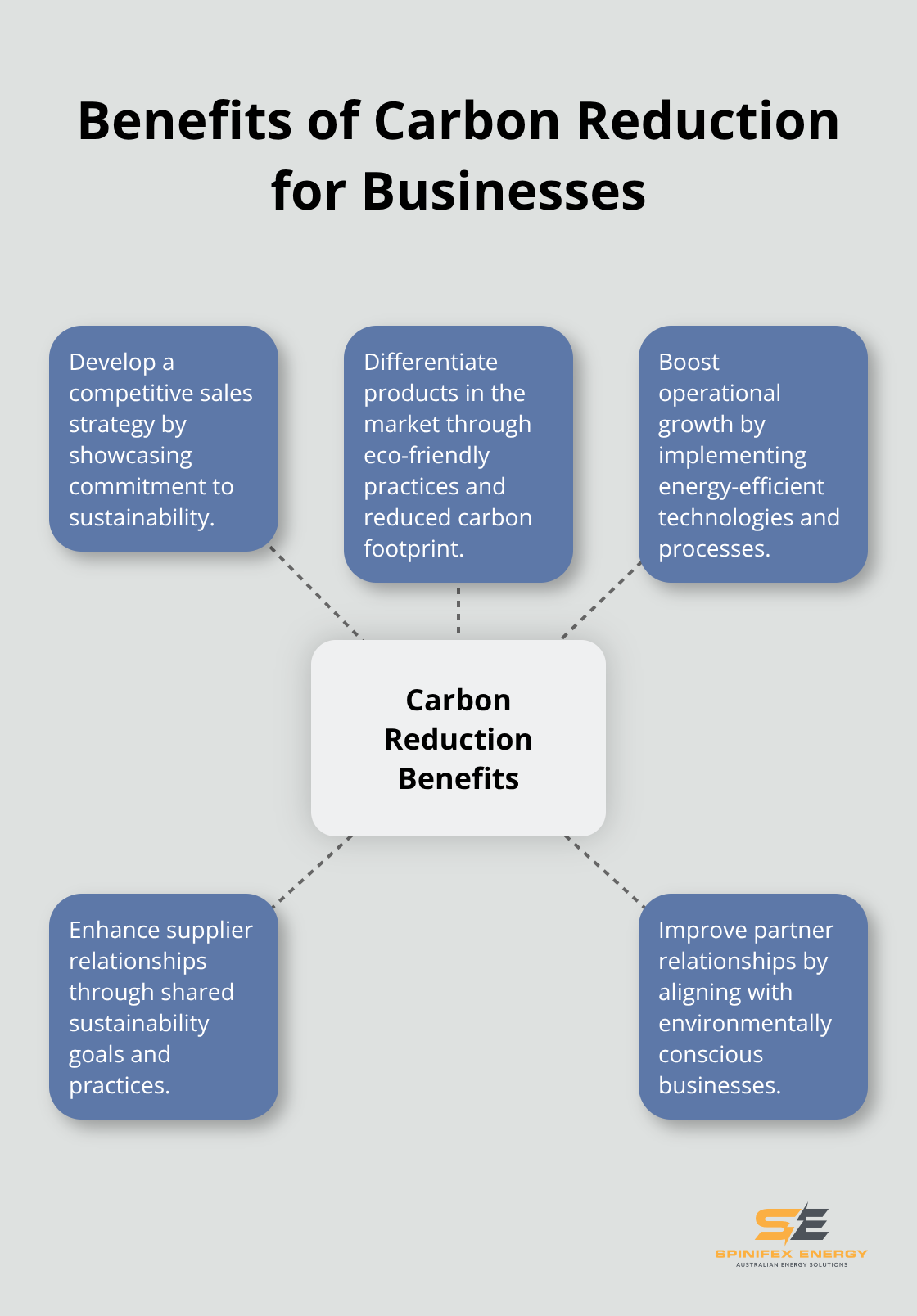
Voltage fluctuations can significantly affect your energy bills. The Carbon Trust reports that using carbon reduction can develop a competitive sales strategy, differentiate products, boost operational growth, and enhance supplier and partner relationships. Implementing voltage optimisation allows businesses to achieve energy savings, contributing to these benefits.
Potential Savings
Many businesses have reduced their energy consumption through voltage optimisation. This translates to cost savings and a reduced carbon footprint, creating a positive impact on both the bottom line and the environment.
Comprehensive Energy Management
Voltage optimisation represents just one piece of the energy efficiency puzzle. To maximise savings, businesses should consider a comprehensive approach to energy management. This approach might include other strategies such as power factor correction, energy-efficient lighting, and smart building controls.
As we move forward, let’s explore the key benefits that voltage optimisation can bring to your business, from reduced energy bills to extended equipment lifespan.
How Voltage Optimisation Benefits Your Business
Dramatic Reduction in Energy Bills
Voltage optimisation transforms energy consumption patterns, delivering substantial benefits to businesses. This technology slashes energy bills by bringing voltage down to the optimal level for equipment. Studies show that businesses can reduce their energy consumption by 9-13% with a properly installed voltage optimisation system. These savings (which can amount to thousands of dollars annually) directly impact the bottom line.

Prolonged Equipment Lifespan
Overvoltage doesn’t just waste energy; it puts unnecessary stress on electrical equipment. Voltage optimisation effectively gives equipment a longer lease on life. This results in fewer replacements, less downtime, and reduced maintenance costs. For businesses with high-value electrical assets, this benefit alone can justify the investment in voltage optimisation technology.
Improved Power Quality and Stability
Voltage optimisation systems do more than just reduce voltage; they help stabilise power supply. This leads to improved power quality, which is essential for sensitive electronic equipment. Stable power means fewer disruptions, smoother operations, and potentially even improved product quality in manufacturing settings.
Reduced Carbon Footprint
Implementing voltage optimisation doesn’t just save money; it also reduces a business’s carbon footprint. This aligns with sustainability goals and can improve a company’s environmental reputation. A carbon price will increase the incentive for businesses to invest in emissions reduction.
Enhanced Operational Efficiency
With stable, optimised voltage, businesses often experience smoother operations across the board. This can lead to increased productivity, fewer equipment malfunctions, and a more reliable work environment. The ripple effects of these improvements can be felt throughout the organisation, from reduced stress on IT systems to more consistent output in manufacturing processes.
As businesses continue to seek ways to cut costs and improve efficiency, voltage optimisation stands out as a powerful tool. The next section will explore how to implement this technology effectively in your business, ensuring you maximise its benefits.
How to Implement Voltage Optimisation
Assess Your Current Situation
Before you implement voltage optimisation, you must understand your current energy landscape. Conduct a comprehensive voltage audit. Establish a detailed audit plan that outlines the timeline, specific areas to be audited, and the sequence of activities. Measure voltage levels across your facility for a few weeks. This data will reveal patterns in your voltage supply and highlight areas where optimisation can yield the most significant benefits.
During the audit, focus on equipment performance and energy consumption. Note any fluctuations or inconsistencies in power quality. This information will prove invaluable when you select and configure your voltage optimisation system.
Select the Right System
The choice of an appropriate voltage optimisation system is critical to maximise your return on investment. There’s no one-size-fits-all solution; the right system depends on your specific energy profile, equipment needs, and business goals.
For smaller businesses or those with relatively stable power demands, a fixed reduction transformer might suffice. These systems provide a set percentage reduction in voltage.
Larger facilities or those with fluctuating power needs might benefit from electronic-dynamic systems. These adjust voltage in real-time based on demand, offering more precise control.
When you evaluate systems, consider factors like efficiency ratings, control capabilities, and compatibility with your existing infrastructure. Don’t hesitate to consult with energy experts (such as those at Spinifex Energy) who can provide tailored recommendations based on your unique situation.

Installation and Integration
The installation process for voltage optimisation systems varies depending on the type and size of the system. However, some universal best practices apply.
First, schedule the installation during a period of low activity to minimise disruption to your operations. Many systems can be installed within a day, but it’s wise to allow for some buffer time.
Ensure that the installation team is experienced and certified. They should know your specific system and be able to integrate it seamlessly with your existing electrical infrastructure.
After installation, conduct thorough testing to verify that all systems function correctly. This includes checking voltage levels across your facility and monitoring equipment performance.
Ongoing Monitoring and Maintenance
Your work doesn’t stop once your voltage optimisation system is operational. Regular monitoring is essential to ensure continued performance and to identify any potential issues early.
Implement a robust monitoring system that tracks key metrics like voltage levels, energy consumption, and equipment performance. Many modern voltage optimisation systems come with built-in monitoring capabilities (often accessible through user-friendly dashboards).
While voltage optimisation systems generally require minimal maintenance, regular check-ups are still important. Schedule annual inspections to verify system performance and make any necessary adjustments.
Maximising Benefits
To get the most out of your voltage optimisation system, integrate it into a broader energy management strategy. This might include other efficiency measures like power factor correction or smart building controls. Try to view voltage optimisation as one (albeit important) piece of your overall energy puzzle.
Keep detailed records of your energy consumption and costs before and after implementation. This data will help you quantify the benefits and make informed decisions about future energy investments.
Final Thoughts
Voltage optimisation stands as a powerful tool for businesses to cut costs, boost efficiency, and reduce environmental impact. This technology fine-tunes incoming voltage to match equipment needs, which results in substantial energy savings ranging from 9% to 13%. The benefits extend beyond immediate cost reductions, as optimised voltage levels reduce stress on electrical equipment, leading to longer lifespans and decreased maintenance needs.
The long-term financial and environmental impacts of voltage optimisation are substantial. As energy costs rise and environmental regulations tighten, businesses that invest in this technology position themselves for future success. They enjoy ongoing savings and demonstrate a commitment to sustainability, which can enhance their reputation and appeal to environmentally conscious customers and partners.
Spinifex Energy offers tailored solutions to optimise electricity expenses for businesses ready to take the next step towards energy efficiency. Their data-driven approach ensures that businesses can focus on core activities while achieving long-term financial success and operational efficiency through optimised energy management. Voltage optimisation is more than just a cost-saving measure; it’s a strategic investment in your business’s future (and the planet’s).